By Blake Moren, CTCN Correspondent
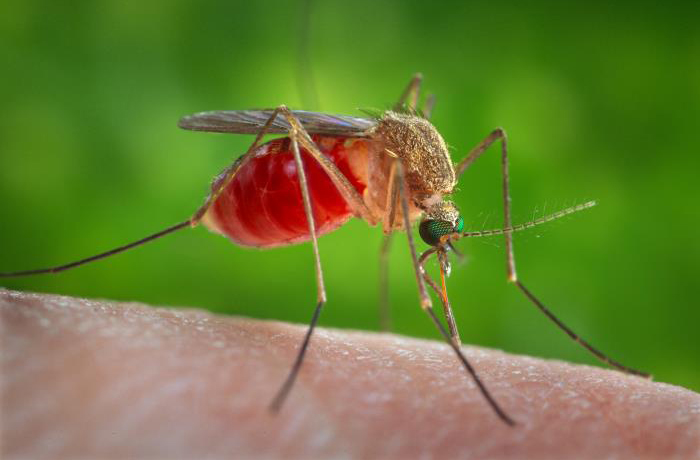
West Nile Virus activity has increased recently and numerous positive mosquito pools have been found throughout Oklahoma. The WNV is spread by the Culex mosquito, which tends to feed on infected birds.
The mosquito spreads this virus upon biting humans, horses and various other mammals. The Culex mosquito’s population increases during the dry weather and temperature of mid-to-late summer.
State epidemiologist Jolianne Stone said that summertime is the start of the WNV season. Due to increased participation in outdoor activities, there are more opportunities a mosquito can infect a human.
Oklahoma State Department of Health (OSDH) officials are reminding the public — especially those who enjoy the outdoors — on ways to deter mosquito bites:
● Use insect repellent that contains DEET, IR3535 or picaridin on both clothing or skin upon going outside around dusk or dawn. Install or repair door and window screens.
● Prevent buckets, cans, pool covers, flower pots, toys or tires from holding water. Empty outdoor pet water bowls and refill them daily. Scrub and refill bird baths and clean debris and leaves from rain gutters.
WNV symptoms include a sudden fever, body and joint pain and a headache. Recovery takes 2-3 weeks. Those older than fifty, are diabetic, or have uncontrolled hypertension are more likely to develop a neurological disease from WNV.
When WNV affects the nervous system, it causes disorientation, confusion, unconsciousness, neck stiffness, paralysis or at worst, a coma. Long-lasting complications include migraines, headaches, difficulty concentrating, limb paralysis and muscle tremors or muscle weakness.
Tips to help avoid West Nile Virus